Estonian agricultural heritage
The land that made a nation
Agriculture shaped Estonia's landscape, language, customs, and economy. Its heritage lives on in buildings, tools, and memory.
Traditional Estonian farming
For centuries the farmstead (talu) was the heart of rural Estonia — a self-sufficient unit of fields, meadows, forest and livestock.
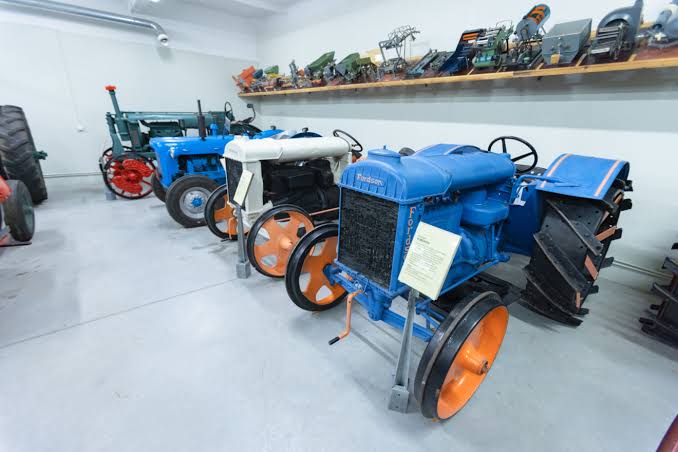
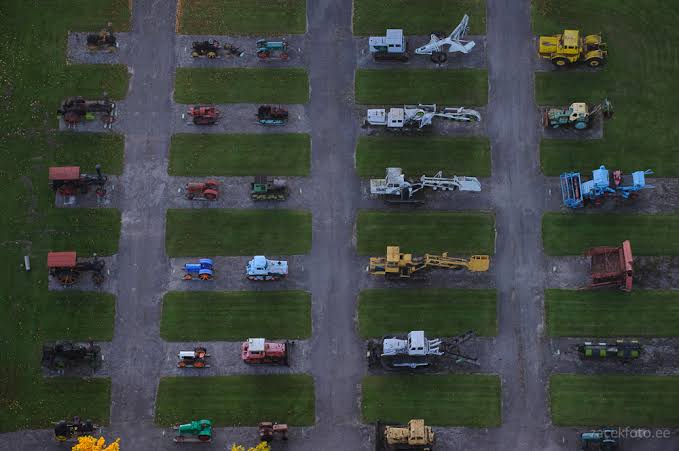
Historical agricultural equipment
From wooden ploughs and threshers to the first tractors, tools reveal how labour, skill and technology evolved.
Rural architecture
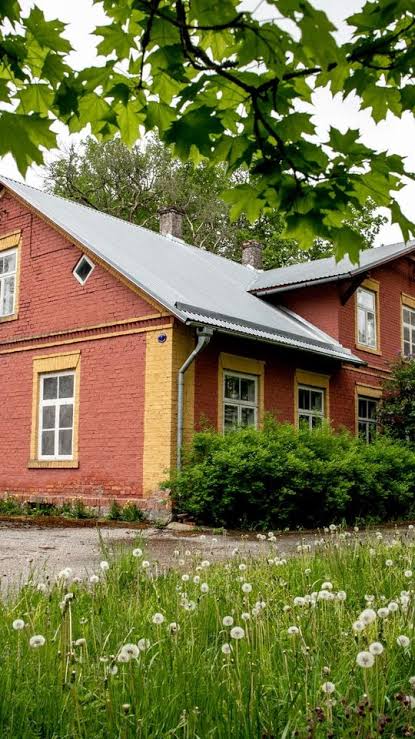
The barn-dwelling (rehielamu), granaries and drying barns are distinctive forms of Estonian vernacular building.
Traditional farm life
Seasonal rhythms of sowing, haymaking and harvest structured family and village life.
Crop cultivation & livestock
Rye, barley, flax and potatoes, alongside cattle, horses and sheep, shaped the rural economy.
Traditional rural crafts
Weaving, woodwork, blacksmithing and basketry were vital skills passed between generations.
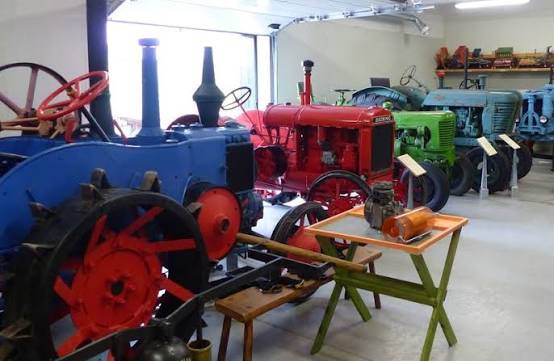
The importance of agricultural museums
Where the countryside keeps its memory
- Preserving historical objects
- Documenting traditional farming practices
- Maintaining historical photographs
- Educating younger generations
- Supporting cultural research
- Presenting agricultural technological development
- Preserving rural traditions
- Connecting communities with their history